

Everest Base Camp Trek 2026: Complete Guide, 15-Day Itinerary, Cost & Expert Tips
- soleencounters
The Everest Base Camp Trek 2026 is one of the most iconic trekking journeys in the world. Walking through the heart of Nepal’s Khumbu region, this trek leads you deep into the Himalayas, offering close-up views of Mount Everest, authentic Sherpa culture, ancient monasteries, and dramatic high-altitude landscapes.
Table of Contents
In 2026, the Everest Base Camp Trek continues to attract trekkers seeking adventure with proper safety standards, responsible travel practices, and genuine local experiences. With improved trekking infrastructure, stronger awareness of acclimatization, and clearer logistics around Lukla flights, 2026 is an excellent year to plan this legendary journey.
This guide covers everything you need to know, including a detailed 15-day Everest Base Camp itinerary, cost expectations, fitness requirements, safety considerations, and the latest recommendations for trekking to Everest Base Camp.
Why Choose the Everest Base Camp Trek in 2026?
Trekking to Everest Base Camp is not about technical climbing. It is about endurance, patience, and immersion in one of the most inspiring mountain regions on Earth.
In 2026, trekkers benefit from:
-
Improved teahouse standards in major villages
-
Stronger focus on acclimatization and altitude safety
-
Clearer permit and trail management systems
-
Better flight coordination via Ramechhap
-
Increased emphasis on ethical and responsible trekking
Choosing a local Nepal-based trekking company ensures smoother logistics, experienced guides, and direct support for mountain communities.
If you are looking for a fully organized and guided option, you can explore our detailed Everest Base Camp Trek package here:
https://www.soleencounterstrek.com/trip/everest-base-camp-trek
Everest Base Camp Trek Overview
-
Total Duration: 15 Days
-
Maximum Altitude: 5,545 meters at Kala Patthar
-
Trek Difficulty: Moderate to challenging
-
Accommodation: Teahouses and lodges
-
Best Seasons: February to May and September to December
The trek is achievable for fit beginners who prepare well and follow a gradual ascent plan.
Everest Base Camp Trek Itinerary 2026 (15 Days – Expanded)
Day 1: Arrival in Kathmandu (1,400 m)
Upon arrival at Tribhuvan International Airport, you are transferred to your hotel in Kathmandu. This day is reserved for rest, trek briefing, permit checks, and final equipment preparation. In the evening, you can explore Thamel or relax after your journey.
Day 2: Flight to Lukla (2,860 m) and Trek to Phakding (2,652 m, 3–4 hours)
An early morning mountain flight brings you to Lukla, the gateway to the Everest region. After meeting your trekking crew, the trek begins with a gentle walk along the Dudh Koshi River, helping your body begin the acclimatization process.
Day 3: Trek from Phakding to Namche Bazaar (3,440 m, approximately 7 hours)
The trail crosses several suspension bridges and enters Sagarmatha National Park. A steady uphill climb leads to Namche Bazaar, the main trading and cultural center of the Khumbu region. On clear days, you may catch your first glimpse of Mount Everest.
Day 4: Acclimatization Day at Everest Viewpoint (3,860 m, 4-hour hike)
This is a vital acclimatization day. A hike to the Everest Viewpoint and nearby ridges offers panoramic views of Everest, Ama Dablam, and Lhotse. The afternoon is free for rest, visiting the Sherpa Museum, or exploring Namche Bazaar.
Day 5: Trek from Namche Bazaar to Tengboche (3,860 m, 6–7 hours)
The trail follows a scenic route above the Dudh Koshi Valley before descending and climbing again to Tengboche. Here, you visit the famous Tengboche Monastery, the spiritual center of the Everest region, set against dramatic Himalayan peaks.
Day 6: Trek from Tengboche to Dingboche (4,410 m, 6–7 hours)
Descending through forests and crossing rivers, the trail gradually ascends toward Dingboche. The landscape becomes more alpine, with open valleys, stone-walled fields, and sweeping mountain views.
Day 7: Rest and Acclimatization Day in Dingboche (4,410 m)
A second acclimatization day is essential for safety. Optional hikes to nearby ridges help your body adjust to altitude, while the afternoon is reserved for rest, hydration, and recovery.
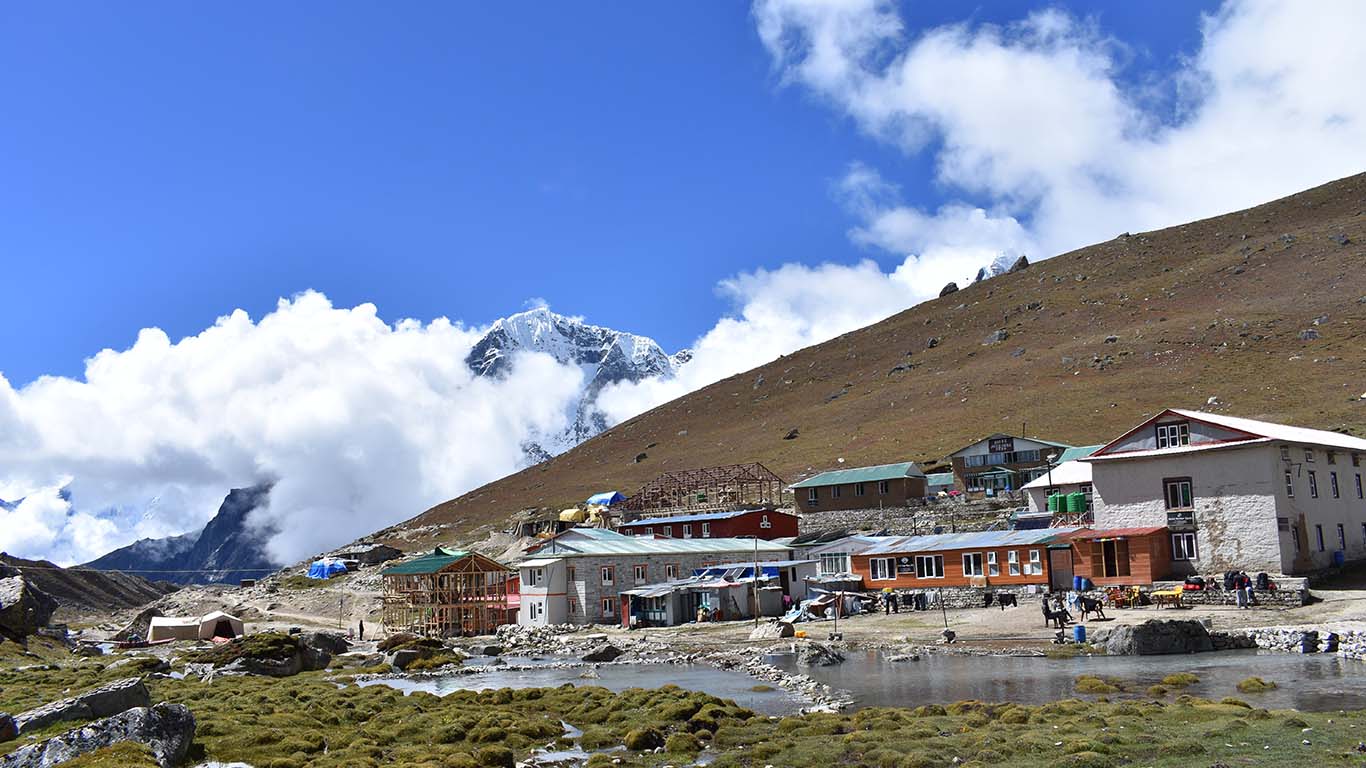
Day 8: Trek from Dingboche to Lobuche (4,940 m, 5–6 hours)
The trail continues along the Khumbu Glacier. You pass memorials dedicated to climbers who lost their lives on Everest, creating a powerful and reflective experience. Lobuche sits in a stark high-altitude environment.
Day 9: Trek from Lobuche to Everest Base Camp (5,364 m) via Gorak Shep (8–9 hours)
After reaching Gorak Shep, you continue toward Everest Base Camp, walking alongside the Khumbu Glacier. Standing at the base of the world’s highest mountain is a moment many trekkers describe as unforgettable. You return to Gorak Shep for the night.
Day 10: Hike to Kala Patthar (5,545 m) and Descend to Pheriche or Somare (4,240 m, 7–9 hours)
An early morning climb to Kala Patthar offers the best panoramic views of Mount Everest. After descending, the trek continues downhill to Pheriche or Somare, where thicker air brings noticeable relief.
Day 11: Trek from Pheriche or Somare to Namche Bazaar (3,440 m, approximately 7 hours)
Descending through familiar villages and forests, you retrace your steps toward Namche Bazaar. The return journey feels easier, with warmer temperatures and increasing oxygen levels.
Day 12: Trek from Namche Bazaar to Lukla (2,860 m, 7–8 hours)
Your final trekking day follows the Dudh Koshi River back to Lukla. In the evening, many trekkers celebrate the successful completion of their journey with their guide and crew.
Day 13: Flight from Lukla to Ramechhap (1,350 m) and Drive to Kathmandu (5–6 hours)
A morning flight takes you from Lukla to Ramechhap, followed by a scenic drive back to Kathmandu. The rest of the day is free to relax.
Day 14: Free Day in Kathmandu
This day is available for sightseeing, shopping, or rest. It also serves as a buffer day in case of flight delays from Lukla.
Day 15: Final Departure
Transfer to the airport for your onward journey, marking the end of your Everest Base Camp adventure.
Everest Base Camp Trek Cost 2026
The cost for the Everest Base Camp Trek in 2026 typically ranges between USD 1,400 and USD 1,600, depending on group size and service level.
The price generally includes domestic flights, trekking permits, experienced guides, porters, accommodation during the trek, and ground transfers. International flights, visas, personal trekking gear, and tips are usually excluded.
Best Time for Everest Base Camp Trek 2026
-
Spring (February to May): Warmer temperatures and blooming landscapes
-
Autumn (September to December): Clear skies and excellent mountain visibility
These seasons offer the safest and most enjoyable trekking conditions.
Final Thoughts on Everest Base Camp Trek 2026
The Everest Base Camp Trek 2026 is a journey that challenges you physically while rewarding you with unmatched Himalayan scenery and deep cultural experiences. With a well paced itinerary, proper acclimatization, and experienced local guidance, it becomes a safe and deeply fulfilling adventure.
Plan Your Everest Base Camp Trek 2026 With Sole Encounters Adventures
If you are planning the Everest Base Camp Trek in 2026, our experienced local team is ready to support you from arrival to departure.
Website: https://www.soleencounterstrek.com
Email: info@soleencounterstrek.com
WhatsApp: +977 980897906
We offer ethical trekking practices, experienced Sherpa guides, and well structured itineraries designed for safety, comfort, and success.
Recent Posts
.jpg)
3rd Jul, 2025
.jpg)
4th Jul, 2025
.jpg)
4th Jul, 2025
.jpg)
7th Jul, 2025
.jpg)
8th Jul, 2025
.jpg)
8th Jul, 2025
.jpg)
8th Jul, 2025

10th Jul, 2025